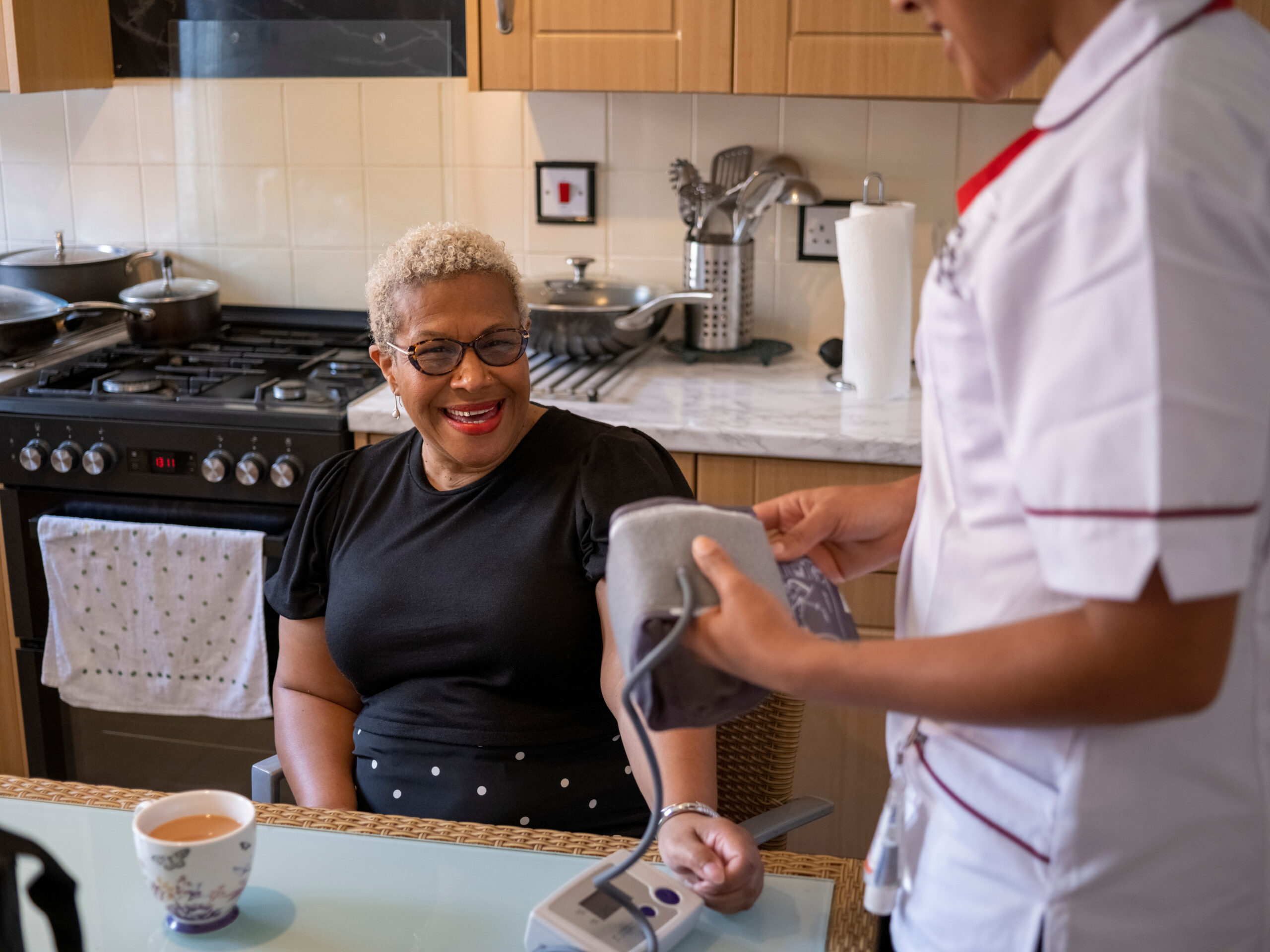
CASE STUDIES
CASE STUDIES
Ginger Research often works in the public policy space, partnering with government organisations, voluntary sector bodies, and private companies to navigate where policy meets real-world delivery.

Case Studies
Driving Behaviour Changes
2025
The Challenge
Encouraging households to take up energy saving measures remains one of the toughest behaviour change challenges for local authorities. The social and environmental benefits are obvious—lower energy bills, healthier homes, and reduced carbon emissions—but the barriers are equally strong.
Residents face high upfront costs, complex choices, and a lack of trust in a market still taking shape. Even with funding available, many simply don’t know where to start.

What We Did
Ginger Research partnered with a communications agency to design a energy saving offer that felt clear, credible, and relevant to real households.
Through extended in-home friendship pair interviews, we engaged a diverse mix of residents, including those on low incomes and people with long-term conditions. These sessions created space for open, authentic conversations about keeping homes warm during the cost-of-living crisis.
Using the COM-B behaviour change framework, we explored how different participants varied in their capability, opportunity, and motivation to energy saving. Distinct psychographic personas emerged from our analysis which was supported by the use of a qualitative analysis platform.
Focus groups with each segment refined messaging, ensuring that the comms strategy genuinely resonated and inspired action.
The Results
The client emerged with a clear, evidence-based roadmap for marketing their energy saving programme.
They now know:
- Which audiences to prioritise
- How to speak to each group in a way that builds trust and motivation
- What practical and emotional conditions enable real behaviour change

Driving behaviour change for household energy saving 2025
The Challenge
Encouraging households to take up energy saving measures remains one of the toughest behaviour change challenges for local authorities. The social and environmental benefits are obvious—lower energy bills, healthier homes, and reduced carbon emissions—but the barriers are equally strong.
Residents face high upfront costs, complex choices, and a lack of trust in a market still taking shape. Even with funding available, many simply don’t know where to start.
What We Did
Ginger Research partnered with a communications agency to design a energy saving offer that felt clear, credible, and relevant to real households.
Through extended in-home friendship pair interviews, we engaged a diverse mix of residents, including those on low incomes and people with long-term conditions. These sessions created space for open, authentic conversations about keeping homes warm during the cost-of-living crisis.
Using the COM-B behaviour change framework, we explored how different participants varied in their capability, opportunity, and motivation to energy saving. Distinct psychographic personas emerged from our analysis which was supported by the use of a qualitative analysis platform.
Focus groups with each segment refined messaging, ensuring that the comms strategy genuinely resonated and inspired action.
Results
The client emerged with a clear, evidence-based roadmap for marketing their energy saving programme.
They now know:
- Which audiences to prioritise
- How to speak to each group in a way that builds trust and motivation
- What practical and emotional conditions enable real behaviour change
Case Studies
Optimising the impact and
effectiveness of communications
2024-2025
effectiveness of communications
The Challenge
Encouraging households to take up energy saving measures remains one of the toughest behaviour change challenges for local authorities. The social and environmental benefits are obvious—lower energy bills, healthier homes, and reduced carbon emissions—but the barriers are equally strong.
Residents face high upfront costs, complex choices, and a lack of trust in a market still taking shape. Even with funding available, many simply don’t know where to start.
What We Did
Ginger Research partnered with a communications agency to design a energy saving offer that felt clear, credible, and relevant to real households.
Through extended in-home friendship pair interviews, we engaged a diverse mix of residents, including those on low incomes and people with long-term conditions. These sessions created space for open, authentic conversations about keeping homes warm during the cost-of-living crisis.
Using the COM-B behaviour change framework, we explored how different participants varied in their capability, opportunity, and motivation to energy saving. Distinct psychographic personas emerged from our analysis which was supported by the use of a qualitative analysis platform.
Focus groups with each segment refined messaging, ensuring that the comms strategy genuinely resonated and inspired action.
The Results
The client emerged with a clear, evidence-based roadmap for marketing their energy saving programme.
They now know:
- Which audiences to prioritise
- How to speak to each group in a way that builds trust and motivation
- What practical and emotional conditions enable real behaviour change
Driving behaviour change for household energy saving 2025
The Challenge
Encouraging households to take up energy saving measures remains one of the toughest behaviour change challenges for local authorities. The social and environmental benefits are obvious—lower energy bills, healthier homes, and reduced carbon emissions—but the barriers are equally strong.
Residents face high upfront costs, complex choices, and a lack of trust in a market still taking shape. Even with funding available, many simply don’t know where to start.
What We Did
Ginger Research partnered with a communications agency to design a energy saving offer that felt clear, credible, and relevant to real households.
Through extended in-home friendship pair interviews, we engaged a diverse mix of residents, including those on low incomes and people with long-term conditions. These sessions created space for open, authentic conversations about keeping homes warm during the cost-of-living crisis.
Using the COM-B behaviour change framework, we explored how different participants varied in their capability, opportunity, and motivation to energy saving. Distinct psychographic personas emerged from our analysis which was supported by the use of a qualitative analysis platform.
Focus groups with each segment refined messaging, ensuring that the comms strategy genuinely resonated and inspired action.
Results
The client emerged with a clear, evidence-based roadmap for marketing their energy saving programme.
They now know:
- Which audiences to prioritise
- How to speak to each group in a way that builds trust and motivation
- What practical and emotional conditions enable real behaviour change
Case Studies
Making informed decisions
about customer journeys
2024-2025
about customer journeys
The Challenge
Encouraging households to take up energy saving measures remains one of the toughest behaviour change challenges for local authorities. The social and environmental benefits are obvious—lower energy bills, healthier homes, and reduced carbon emissions—but the barriers are equally strong.
Residents face high upfront costs, complex choices, and a lack of trust in a market still taking shape. Even with funding available, many simply don’t know where to start.
What We Did
Ginger Research partnered with a communications agency to design a energy saving offer that felt clear, credible, and relevant to real households.
Through extended in-home friendship pair interviews, we engaged a diverse mix of residents, including those on low incomes and people with long-term conditions. These sessions created space for open, authentic conversations about keeping homes warm during the cost-of-living crisis.
Using the COM-B behaviour change framework, we explored how different participants varied in their capability, opportunity, and motivation to energy saving. Distinct psychographic personas emerged from our analysis which was supported by the use of a qualitative analysis platform.
Focus groups with each segment refined messaging, ensuring that the comms strategy genuinely resonated and inspired action.
The Results
The client emerged with a clear, evidence-based roadmap for marketing their energy saving programme.
They now know:
- Which audiences to prioritise
- How to speak to each group in a way that builds trust and motivation
- What practical and emotional conditions enable real behaviour change
Driving behaviour change for household energy saving 2025
The Challenge
Encouraging households to take up energy saving measures remains one of the toughest behaviour change challenges for local authorities. The social and environmental benefits are obvious—lower energy bills, healthier homes, and reduced carbon emissions—but the barriers are equally strong.
Residents face high upfront costs, complex choices, and a lack of trust in a market still taking shape. Even with funding available, many simply don’t know where to start.
What We Did
Ginger Research partnered with a communications agency to design a energy saving offer that felt clear, credible, and relevant to real households.
Through extended in-home friendship pair interviews, we engaged a diverse mix of residents, including those on low incomes and people with long-term conditions. These sessions created space for open, authentic conversations about keeping homes warm during the cost-of-living crisis.
Using the COM-B behaviour change framework, we explored how different participants varied in their capability, opportunity, and motivation to energy saving. Distinct psychographic personas emerged from our analysis which was supported by the use of a qualitative analysis platform.
Focus groups with each segment refined messaging, ensuring that the comms strategy genuinely resonated and inspired action.
Results
The client emerged with a clear, evidence-based roadmap for marketing their energy saving programme.
They now know:
- Which audiences to prioritise
- How to speak to each group in a way that builds trust and motivation
- What practical and emotional conditions enable real behaviour change